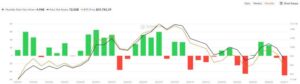
Bitcoin traded near $57,500 on the morning of November 25, 2026, down from about $58,400 before the 8:30 a.m. ET release of U.S. economic data, according to Bitcoin Magazine Pro. Core inflation came in above forecasts, and the Nasdaq Composite fell about 4% in early trading.
Bitcoin had given back its brief November 23 rally above $64,000. That rise faded within hours of Jensen Huang’s return as Nvidia CEO, and bitcoin fell below $60,000 on November 24. It remained above its weekend low of roughly $55,100, its lowest price in more than two years. At $57,500, bitcoin was down about 24% in November and more than 30% since the start of the year. If the monthly decline held, it would be bitcoin’s worst since 2022.
Inflation and the December rate decision
The Commerce Department said the personal consumption expenditures (PCE) price index rose 0.3% in October and 3.8% from a year earlier. Core PCE, the Federal Reserve’s preferred inflation gauge, excludes food and energy. It rose 3.3% year over year, up from 3.1% in September and above the 3.2% economists had expected.
Growth was also stronger than initially reported. In its second estimate, the Bureau of Economic Analysis put third-quarter real GDP growth at a 4.3% annual rate, up from 3.4%. Reuters described it as the fastest growth in three years, driven by consumer spending and business investment in AI.
Traders priced in a 98% chance of a quarter-point rate increase at the Fed’s December 8–9 meeting. Even so, investors bought Treasuries, pushing the 10-year yield down more than six basis points to 4.84%. Bitcoin’s decline after the inflation release shows how it traded that morning, not whether it preserves purchasing power over longer periods.
Bitcoin ETF withdrawals approach $5 billion for November
U.S. spot bitcoin ETFs recorded a sixth consecutive session of net outflows on November 24. Investors withdrew about $231.6 million, less than half the previous day’s $569.7 million. That brought November withdrawals to about $4.94 billion through November 24, putting the funds on course for their largest monthly outflow since their January 2024 launch.
Strategy shares fell about 8% to near $71 in early trading after closing November 24 at $77.55, down 8.12%. Bitcoin was trading well below Strategy’s average purchase price of $75,446. MSCI was scheduled to remove the company from its indexes on November 30, and Monness, Crespi, Hardt & Co. cut its share price target to $59.
Coinbase fell about 6% to near $96, Robinhood lost nearly 6%, and Circle fell more than 7%. Among miners, IREN dropped about 11%, CleanSpark nearly 10% and Riot Platforms nearly 8%. Riot had sold thousands of bitcoin earlier in November.
Technology shares fall as U.S. proposes new tariffs
South Korea’s Kospi fell 6.16% overnight. In early U.S. trading, the S&P 500 fell about 3% and the Dow Jones Industrial Average about 2%. As investors questioned the returns on AI spending, Nvidia fell more than 8% to near $142, while Micron and AMD each lost more than 9%.
The Trump administration also proposed Section 301 tariffs on 14 trading partners, including China, the European Union, Japan and India, citing what it called excess industrial capacity. CNBC reported that China would face a 20% duty on top of the 25% duty imposed in 2018. The proposed duties were not in effect: they would follow a public comment period and could take effect no earlier than January.
November 25 was the last full U.S. stock and bond trading session of the week, with markets closed for Thanksgiving on November 26 and set to reopen for a half-day on November 27. The November jobs report, due December 4, was the last major data release scheduled before the Fed’s December 9 rate decision.