Bitcoin fell below $58,000 on November 25, 2026, reaching a session low of $57,500 as U.S. stocks sold off. Spot gold also declined, falling 2% to $3,483.59 an ounce by 9:15 a.m. ET, according to Reuters. Both assets lost ground in dollar terms on the morning of a higher U.S. inflation reading, though one session says little about how well either preserves purchasing power over time.
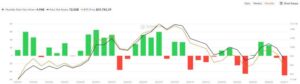
For Bitcoin, the pressure predated the inflation release. U.S. spot Bitcoin exchange-traded funds recorded $4.94 billion in net outflows from the start of November through November 24, according to Decrypt’s ETF tracker. That already made November the largest month for net withdrawals since the funds launched in January 2024. On November 24, Glassnode reported that, relative to the money that had flowed into Bitcoin over the preceding year, investors were realizing their heaviest losses since the November 2022 collapse of FTX and the market crash that followed.
Inflation rises alongside stronger growth
The Personal Consumption Expenditures price index, the Federal Reserve’s preferred inflation gauge, rose 3.8% in October from a year earlier. That was up from 3.6% in September and matched the three-year high reached in May. Excluding food and energy, inflation rose to 3.3% from 3.1% in September, above the 3.2% economists had expected. Consumers spent more dollars in October, but their spending was flat after accounting for higher prices.
“America’s inflation problem is bigger than an energy shock,” Heather Long, chief economist at Navy Federal Credit Union, told AFP.
The Bureau of Economic Analysis also revised third-quarter GDP growth up from 3.4% to an annualized 4.3%, nearly twice the second quarter’s 2.2% pace. Stronger growth gives the Fed more room to raise rates as it tries to bring inflation back to its 2% target.
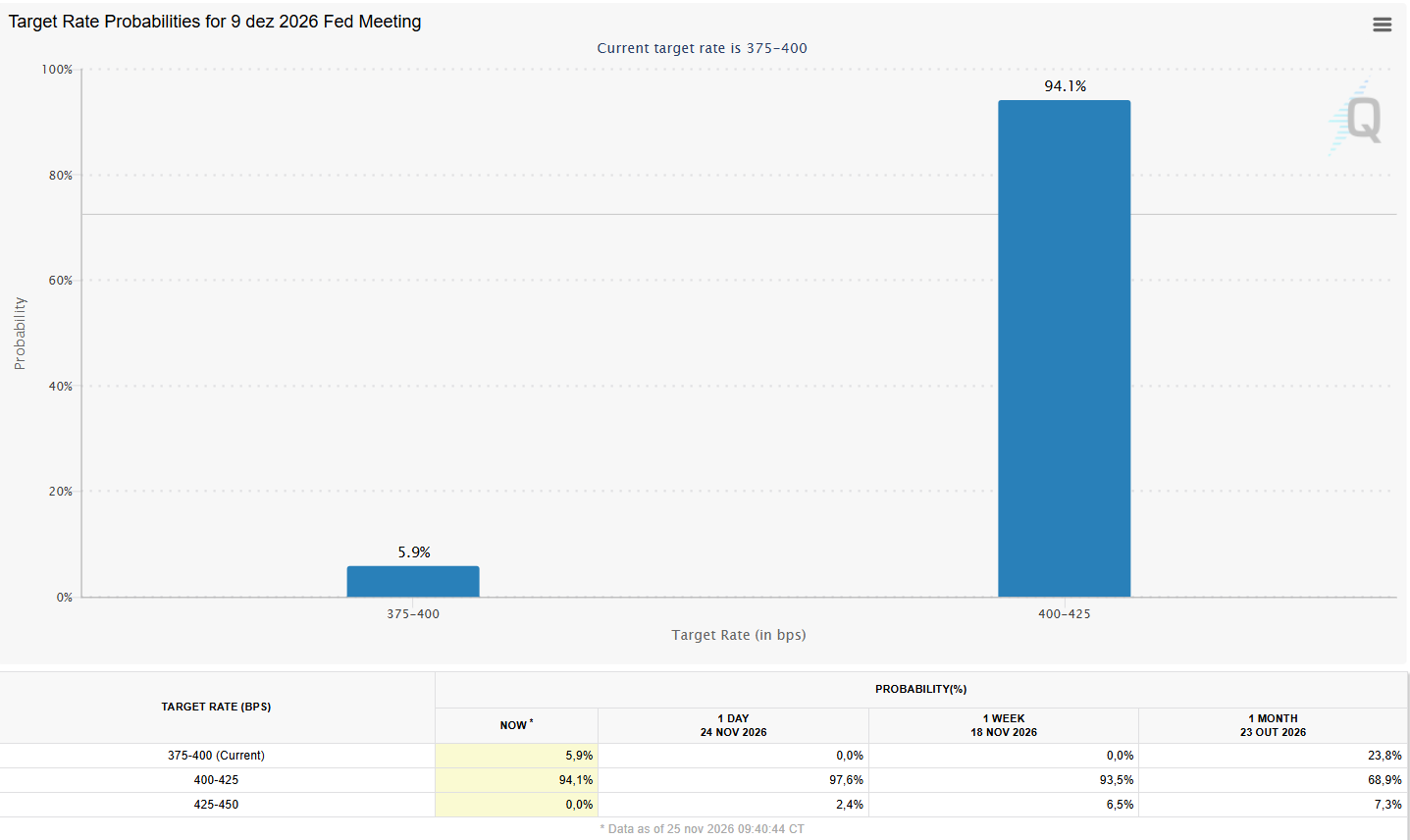
CME FedWatch data put the market-implied probability of a quarter-point December increase at 98% after the inflation release; a subsequent reading put it at 94%. The Fed held its rate range at 3.75% to 4% in October after raising rates in September for the first time in three years. Its next decision was scheduled for December 9. Traders were pricing in further tightening in 2027, potentially as early as January.
Tariff proposals and a reversal in AI stocks
The Trump administration’s proposed tariffs added uncertainty about future prices. Following investigations into government policies that encourage manufacturers to produce more than markets demand, the Office of the U.S. Trade Representative proposed duties targeting 14 economies, including China, the European Union, Japan and South Korea.
Rates would vary by country and product, reaching up to 20% on some Chinese imports and up to 35% on Vietnamese goods, subject to adjustments and exemptions. The proposed 15% EU rate accounts for certain existing duties rather than adding 15 percentage points to them. None of the proposed tariffs had taken effect, and public hearings were scheduled to begin January 25. Any additional pressure on consumer prices would depend on whether importers passed on the costs.
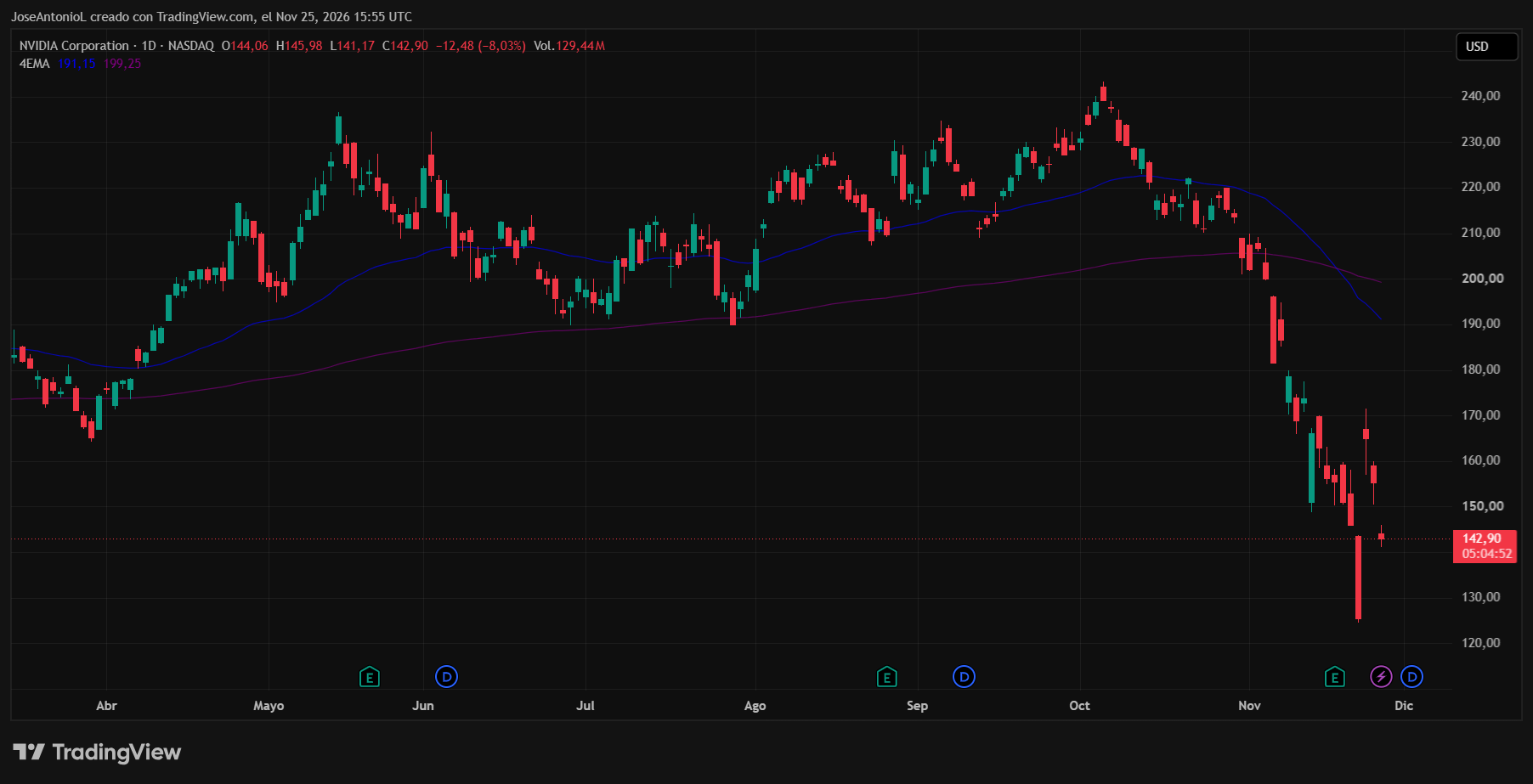
The equity selloff extended beyond the U.S.: South Korea’s Kospi closed down 6.16% before Wall Street opened. By 9:50 a.m. ET, the Nasdaq Composite was down 4.3%, the S&P 500 was down 3% and Nvidia had lost 8.7%. Nvidia had gained 31.5% on November 23 following Jensen Huang’s return, then lost more than 6% on November 24. Anthropic closed that day at $81.91, below its $83 offering price less than a week after its Nasdaq debut. For AI companies investing heavily in data centers, higher rates increase financing costs while reducing the present value of profits expected years from now.