In research reported on November 24, 2026, crypto asset manager Grayscale described Bitcoin as oversold but said its near-term direction may depend more on AI-related risks than on blockchain fundamentals. That is a market assessment, not evidence that Bitcoin will behave as an inflation hedge or store of value over any particular period.
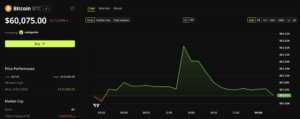
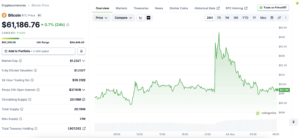
Grayscale research head Zach Pandl said Bitcoin had fallen to about $55,000 on Saturday, below its June low. He characterized the decline as the longest but shallowest Bitcoin bear market on record. The signals cited for an oversold reading included more than $2 billion in net outflows from global crypto ETPs the previous week, substantial conversion of stablecoins into fiat currency, futures open interest falling to summer lows, and high premiums for downside protection in options markets.
The report also attributed market effects to AI-related developments since early November. It cited what it described as Nvidia chief Jensen Huang’s brief departure and return, along with an Anthropic IPO. According to the report, Bitcoin briefly rose above $64,000 after Huang’s return, then fell back while the Nasdaq retained its gains. These are the report’s account and interpretation of events, not an established causal explanation for Bitcoin’s price moves.
Grayscale said on-chain data showed short-term holders bought heavily between $62,000 and $65,000, a range now near their break-even point. It also identified support around the average cost basis of holders with 10,000–100,000 BTC, saying Saturday’s low remained just above that area. In Grayscale’s view, valuations for medium- and long-term holders remained attractive if that support held, though Bitcoin could continue moving with technology stocks until AI-related risks became clearer. The support level and outlook are assessments, not guarantees.